Hormonal Acne Solutions: Products That Actually Help
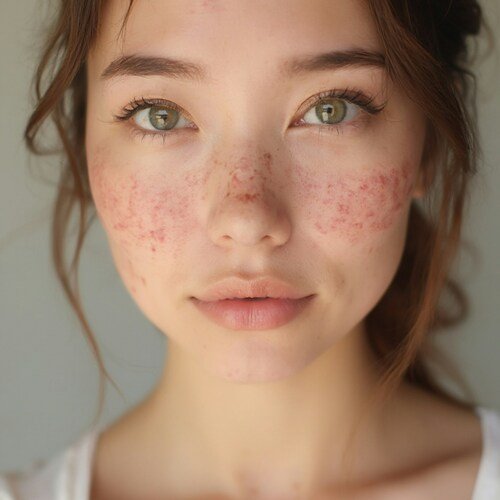
Hormonal acne is one of the most frustrating skin concerns because it often feels unpredictable and difficult to control.
Unlike occasional breakouts caused by clogged pores or temporary irritation, hormonal acne is connected to changes happening inside the body. It frequently appears around the jawline, chin, cheeks, and lower face, often becoming worse during menstrual cycles, stress, hormonal fluctuations, or certain stages of adulthood.
Many people expect acne to disappear after their teenage years, but hormonal acne commonly affects adults well into their twenties, thirties, and even forties. Because the causes are more complex, finding products that actually help usually requires patience, consistency, and a better understanding of how the skin reacts.
One of the most common mistakes is trying to “dry out” acne aggressively. Strong alcohol-based products, harsh scrubs, and over-exfoliation may seem effective at first because they reduce oil temporarily, but they often damage the skin barrier and increase irritation. In many cases, the skin responds by producing even more oil, which can worsen breakouts over time.
Gentle cleansing is usually the best starting point. A mild cleanser helps remove excess oil, dirt, sunscreen, and makeup without stripping the skin completely. Hormonal acne-prone skin is often already inflamed and sensitive, so balance is far more important than aggressive treatment.
Salicylic acid remains one of the most effective ingredients for hormonal acne because it penetrates into the pores and helps dissolve excess oil and dead skin cells. It works especially well for recurring breakouts and clogged pores around the chin and jawline.
Benzoyl peroxide is another widely used ingredient because it targets acne-causing bacteria and reduces inflammation. However, it can also cause dryness and irritation if used too frequently or in high concentrations. Many dermatologists recommend starting slowly and using lower strengths first.
Retinoids are often considered one of the strongest long-term solutions for hormonal acne. They help speed up skin cell turnover, prevent clogged pores, and improve overall skin texture. Prescription retinoids are stronger, but many over-the-counter retinol products can also provide noticeable improvement when introduced gradually.
The key with retinoids is patience. During the first weeks, some people experience dryness, irritation, or temporary purging where existing breakouts become more visible before improving. Many stop too early because they expect immediate results, but consistency usually matters far more than intensity.
Niacinamide has become extremely popular because it helps regulate oil production while calming inflammation and supporting the skin barrier. It works well for people whose hormonal acne is combined with redness or sensitivity.
Hydration is another part of acne care that many people misunderstand. Acne-prone skin still needs moisture. In fact, dehydrated skin often becomes more reactive and irritated. Lightweight non-comedogenic moisturizers help maintain the skin barrier without clogging pores.
Sunscreen is especially important when using active ingredients like acids or retinoids. Sun exposure can worsen post-acne marks, increase irritation, and slow down healing. Fortunately, many modern sunscreens are designed specifically for acne-prone skin and feel much lighter than older formulas.
Fragrance can also influence sensitive acne-prone skin more than people realize. Products with strong scents, including popular choices such as perfume Yara, may feel luxurious or appealing, but heavily fragranced skincare sometimes irritates already inflamed skin. This does not mean every fragranced product automatically causes problems, but people with hormonal acne often benefit from simpler formulas with fewer potential irritants.
Hormonal acne is not always solved through skincare alone. Since hormones are directly involved, some individuals may require medical treatment or hormonal evaluation. Conditions like polycystic ovary syndrome (PCOS) can contribute to persistent acne and may require a broader treatment approach.
Stress management also matters more than many expect. Stress increases cortisol levels, which may stimulate oil production and worsen inflammation. Poor sleep, anxiety, and emotional exhaustion frequently make hormonal acne more difficult to control.
Diet remains a controversial topic in dermatology, but some people notice improvements when reducing excessive sugar, highly processed foods, or certain dairy products. There is no universal “acne diet,” but paying attention to personal triggers can sometimes help identify patterns.
One of the biggest challenges with hormonal acne is the emotional side. Persistent breakouts can affect confidence, social comfort, and self-esteem. This often leads people into cycles of trying too many products at once or constantly switching routines after only a few days.
Unfortunately, overloaded routines usually irritate the skin further. Combining too many acids, scrubs, masks, and treatments often weakens the barrier instead of helping acne heal.
Consistency tends to produce better long-term results than aggressive short-term treatments. Most acne products require weeks or even months to show noticeable improvement. The skin needs time to respond and stabilize.
Another important point is understanding that completely flawless skin is not always realistic. Hormonal fluctuations naturally affect the skin at different times. The goal is usually healthier, calmer, and more manageable skin rather than perfection.
The products that actually help hormonal acne are usually the ones that reduce inflammation, prevent clogged pores, and support the skin barrier without overwhelming it. Gentle cleansing, targeted active ingredients, proper hydration, and realistic expectations often work far better than harsh “miracle cures.”
Hormonal acne can be frustrating, but the right approach usually focuses on long-term skin health rather than quick fixes. With patience and consistency, many people are able to reduce breakouts significantly and create a skincare routine that supports both clearer skin and overall comfort.